EMDR 2.0 therapy for anxiety, trauma, and the patterns that keep you stuck.
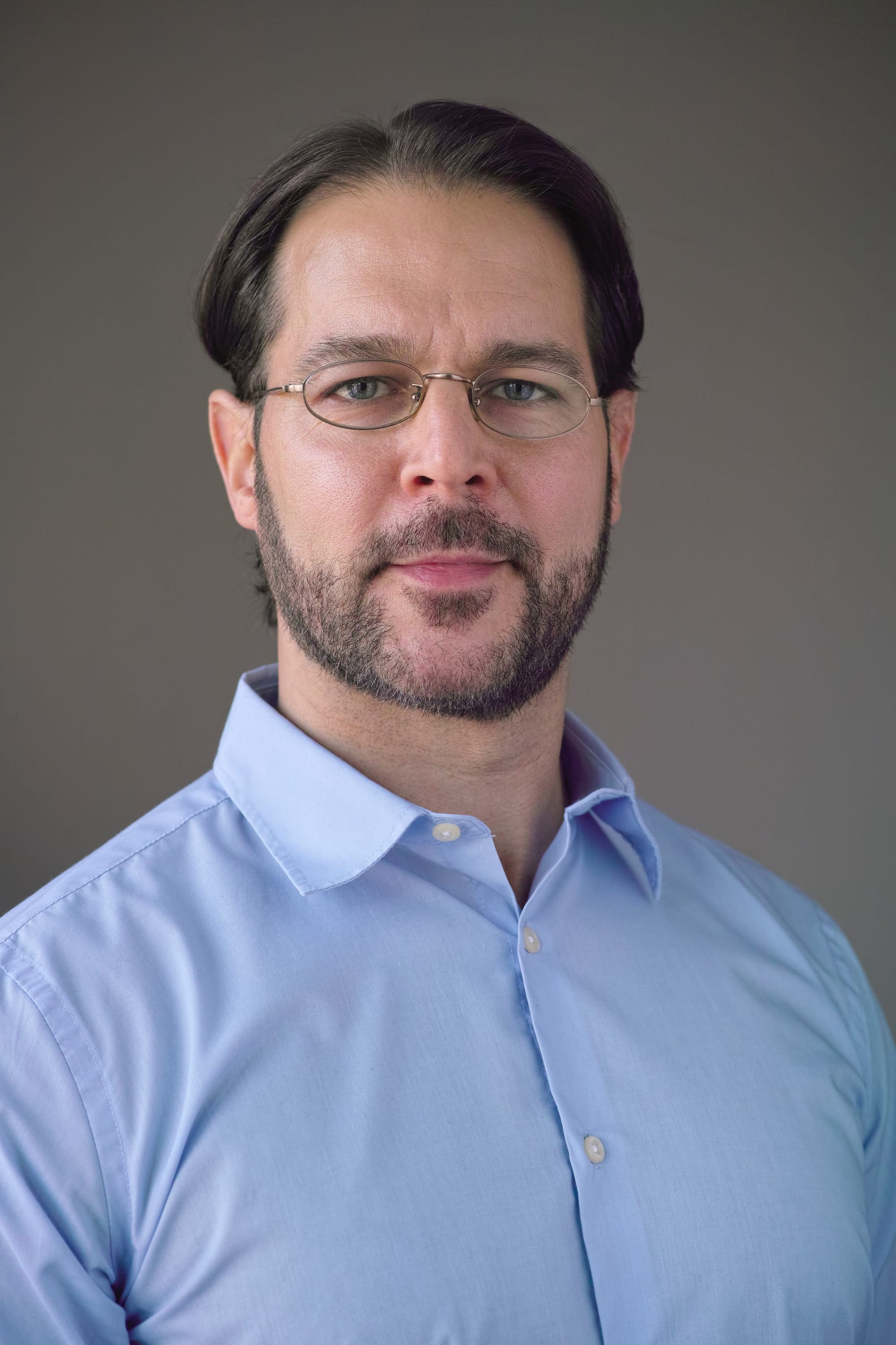
Virtual sessions across Ontario with James Di Donato, RP — Registered Psychotherapist and Certified EMDR Therapist.
Maybe you’ve been to therapy before. You talked through the same stories, got some coping tools, and felt a little better for a while. But the anxiety keeps coming back. The triggers haven’t gone away. You’re still walking on eggshells in your own life.
Or maybe you’ve never been to therapy. You’ve been managing it all yourself—pushing through the panic, swallowing the resentment, saying yes when everything in you is screaming no. You’re exhausted, but you keep going because that’s what you do.
I’m James Di Donato—a Registered Psychotherapist and Certified EMDR Therapist working with clients across Ontario.
Before I ever used a therapeutic modality with a client, I experienced it myself. Not in a textbook. Not in a training video. In the chair. As a client. Every technique I use with you, I’ve felt from your side first.
I’ve completed over 20 specialized trainings, including in EMDR 2.0, Brainspotting, Deep Brain Reorienting, and Ego State Therapy. I didn’t just learn from instructors—I trained and consulted directly with the people who created these methods, including Dr. Frank Corrigan, developer of Deep Brain Reorienting, and Suzy Matthijssen, co-developer of EMDR 2.0.
I specialize in helping people with anxiety, trauma, and people-pleasing patterns find real, lasting change—not just better coping, but a fundamentally different way of experiencing their own life.
More about my training & approachMost therapy focuses on talking through your problems and building coping strategies. That can help—but it doesn’t always reach the source. If the same anxiety, the same reactions, and the same patterns keep coming back, it’s because the root hasn’t been addressed.
That’s where EMDR comes in.
EMDR (Eye Movement Desensitization and Reprocessing) is one of the most researched and widely recommended therapies in the world. The American Psychological Association and the World Health Organization both recognize it as a leading treatment for PTSD—and it’s now used effectively for anxiety, phobias, grief, and deeply held negative beliefs.
EMDR works by helping your brain reprocess memories that got “stuck.” These are the experiences that are still triggering your anxiety, flashbacks, or emotional reactions today—even if they happened years ago. When processing is complete, the memory loses its emotional charge. You still remember what happened, but it stops controlling how you feel.
This isn’t talk therapy. You won’t spend months retelling your story. EMDR works at the level where the problem actually lives—in the way your brain stored the experience.
EMDR 2.0 is the latest evolution of EMDR, developed by members of the original research team. It builds on everything that makes EMDR effective and refines the process to be faster and more precise.
Traditional EMDR processes entire memory networks, which can mean spending significant time in emotional distress during sessions. EMDR 2.0 introduces a more targeted approach—identifying the specific beliefs, emotions, and sensations driving the problem before processing begins, then working on those directly.
The result: more focused sessions, less unnecessary distress, and more efficient progress toward your goals.
I trained in EMDR 2.0 directly with Suzy Matthijssen, one of its co-developers. It’s the core of how I work with every client.
We’ll talk for 20 minutes about what you’re experiencing, what you’ve tried, and what you want to change. No pressure. No commitment. Just a conversation to see if we’re the right fit.
Together, we’ll define your goals and build a structured plan to reach them. You’ll learn regulation skills to manage difficult emotions between sessions. You’ll know exactly what we’re working on and why.
We use EMDR 2.0 to change the beliefs, emotions, and reactions at the root of your symptoms. If needed, we’ll also work on practical skills like communication and boundaries.
We check in regularly on your progress. When your goals are met and your symptoms have resolved, therapy concludes. You don’t stay longer than you need to. And if something new comes up later, you can always come back.
You’ve tried deep breathing, meditation apps, and telling yourself to calm down. None of it sticks. The worry comes back at 3am, in the middle of a meeting, or when everything is supposedly fine. You’re tired of managing it. You want it resolved. EMDR 2.0 targets the root of anxiety—the stored experiences your brain keeps reacting to—so you can feel calm without having to force it.
Flashbacks. Nightmares. The feeling of being on high alert even when you’re safe. Trauma changes how your brain processes the world, and no amount of willpower can undo that. EMDR 2.0 helps your brain reprocess what happened so it stops hijacking your present. You don’t have to retell your story over and over. You just have to be willing to start.
You say yes when you mean no. You absorb other people’s emotions. You feel responsible for everyone’s happiness except your own. And somewhere along the way, you stopped knowing what you actually want. This isn’t a personality flaw—it’s a pattern that was wired in early, and it can be changed. We’ll use EMDR 2.0 to address the underlying beliefs driving the pattern, and build the skills to set boundaries without guilt.
The anxiety doesn’t just stay the same—it compounds. The relationships get harder. The exhaustion deepens. The window of what feels safe gets smaller. The life you’re building gets built around the problem instead of around what you actually want.
You wake up without dread. You say what you actually think and the world doesn’t end. You sit in silence and it feels peaceful, not threatening. You set a boundary and feel proud instead of guilty. You realize you haven’t thought about that thing in weeks.
That’s not a fantasy. That’s what targeted, goal-oriented therapy actually produces.
All sessions are held over Zoom. Research confirms virtual EMDR therapy is as effective as in-person sessions. And for many clients, being in their own space actually helps them feel safer and more grounded during processing.
No commute. No waiting room. No rearranging your whole day. Just effective therapy, on your schedule, from anywhere in Ontario.
Most traditional therapy relies on talking through your experiences and building coping strategies. That can be valuable, but it doesn’t always reach the root. EMDR 2.0 works differently—it targets the stored memories and beliefs that are driving your symptoms. Many clients who felt stuck in talk therapy experience significant shifts with EMDR because it engages the brain’s processing system directly, not just the verbal, conscious mind.
EMDR was originally developed for PTSD, but it’s now widely used for anxiety, panic, phobias, and other issues rooted in past experiences. Anxiety almost always has a history—your brain learned to react this way for a reason. EMDR 2.0 helps update that response so your nervous system stops treating safe situations as dangerous.
Yes. Multiple research studies have confirmed that virtual EMDR produces equivalent outcomes to in-person sessions. I use a secure Zoom-based setup optimized for EMDR processing. Many clients find that being in their own environment actually supports deeper work.
That’s completely normal. Starting therapy—especially trauma-focused therapy—takes courage. We go at your pace. We build safety and regulation skills before we begin any processing. And you’re always in control of what we work on and when. The free consultation exists so you can ask anything and see if this feels right before committing.
It depends on what you’re working on. Some clients see meaningful change in 8–12 sessions. More complex histories may take longer. What I can promise is that we set clear goals from the start, track progress together, and don’t keep you in therapy longer than necessary. When your goals are met, we’re done.
If it’s affecting your quality of life, it’s enough. You don’t need a diagnosis or a crisis to benefit from therapy. Many of my clients are high-functioning people who are managing fine on the outside but exhausted on the inside. That counts.
You just have to be willing to start. Book a free 20-minute consultation and let’s talk about what you’re going through, what you’ve tried, and where you want to go. No pressure. No commitment. Just a conversation.
Book Your Free Consultation